The Power of Community: Shaping the Next Generation of Race Timing
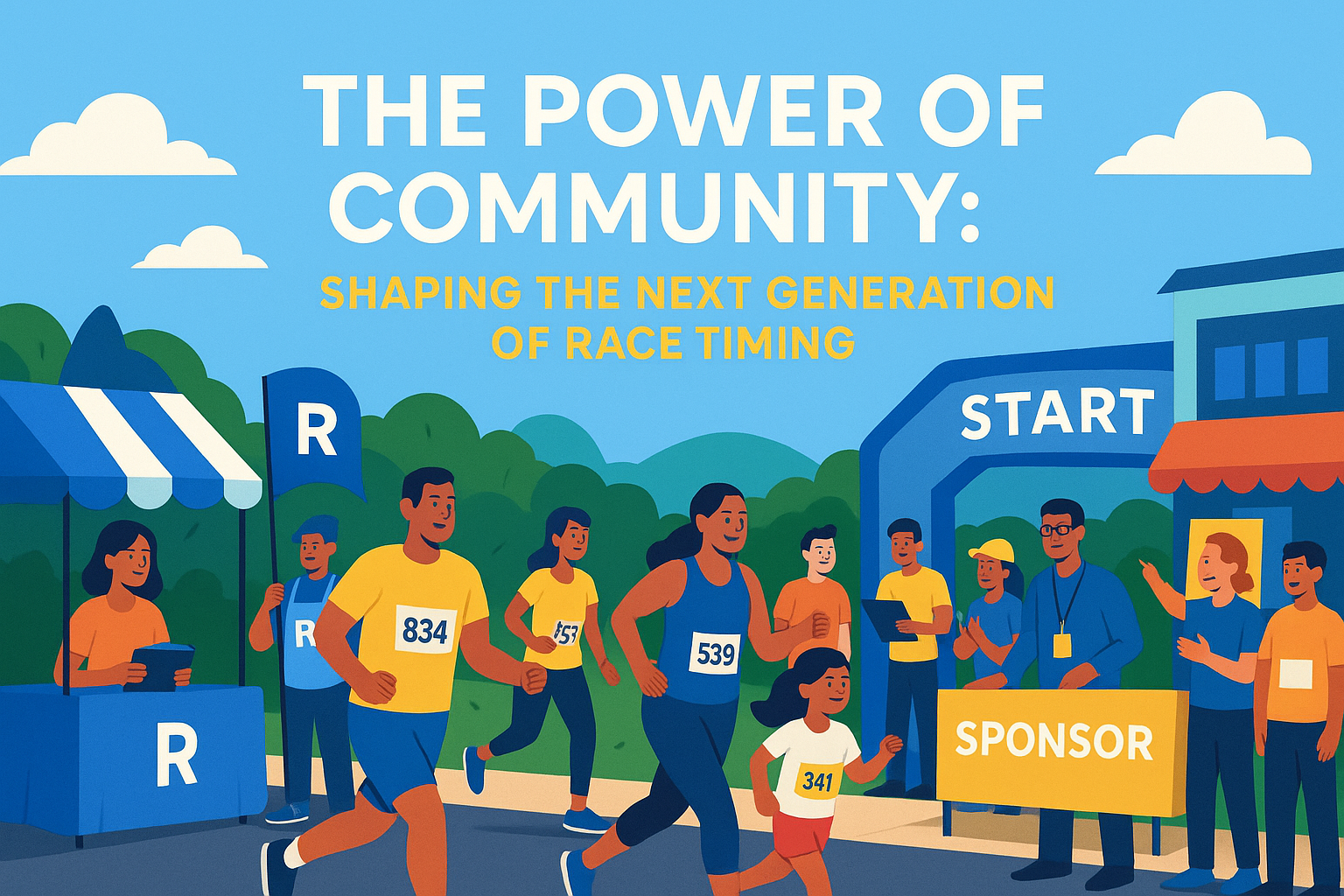
When we think about road races, trail runs, fun runs and 5Ks, or charity events, timing and logistics matter, but what really defines them is community. Runners gathering, volunteers showing up, small businesses supporting causes that unite people: that is what makes each event more than just a race. At RaceOS, community isn’t just a buzzword, it’s in our DNA. As we build, we keep community front and center. Because we believe you can’t improve race timing without embracing everyone who makes races happen: participants, race directors, timers, volunteers, vendors, charities, local businesses.
Why Community Matters in Running & Race Management
- Many races are “for cause” or community-based. While good data specifically labeling what percent of all races are charity events is tricky to pin down, it’s clear that fundraising through races is a longstanding tradition. Studies from Running USA show that road races have raised billions for nonprofits through 5Ks, fun runs, walkathons, etc.
- Volunteers are essential. Without volunteers, most small races simply wouldn’t happen. According to Epic Sports Marketing, 79% of runners say volunteers are “very important” to a race, and 96% say volunteers contribute positively to the race experience.
- Local business involvement is huge. From race day vendors (awards, tents, swag), to local running stores sponsoring or supporting events, to timers who are often small business operators themselves, the running/race ecosystem is deeply local and interdependent.
How Community Shapes the Timing Experience
Here are a few concrete ways community intersects with timing and why it matters:
- Participants’ trust and feedback
When runners see a race managed by familiar faces, or where volunteers and organizers are part of their community, they tend to be more forgiving of hiccups, more likely to return, more likely to recommend. Feedback from participants helps refine timing workflows, improve communication, and set expectations.
- Shared resources and knowledge
Small timers, race directors, volunteer teams often share techniques, tricks, tool suggestions (like pre-race syncs, check-in apps, etc.). That exchange helps new races & new timers avoid avoidable mistakes. Communities (running clubs, RD groups, timer associations) offer forums, mentorship, and learning channels.
- Volunteers as ambassadors
People who volunteer often become champions of the race and of the broader running community. They show up, help solve problems, cheer, keep spirits up. Including them in planning and listening to their perspective ensures the race day works more holistically not just from a timing or technical standpoint, but from the emotional, human side too.
- Small businesses & vendors need to thrive
Whether it’s the local awards shop, food trucks, timing companies, or race swag vendors, these businesses benefit from well-run community races. When race technology helps make timing more reliable, easier, integrated, it helps these businesses too by reducing friction, increasing repeat business, and enabling them to do more races.
RaceOS & Community: How We Embed Community Into What We Do
Here’s how RaceOS is built with community in mind, not as an afterthought, but as a core consideration:
- Beta feedback loops. From early on, we’ve involved race directors, timers, volunteers to test, give feedback, suggest improvements. Their voices shape features.
- Open communication. We believe in transparency: sharing roadmaps, accepting feature requests, engaging in conversations about what matters to the community, not just what is “technically cool.”
- Affordable access. By reducing hardware dependencies, automating parts of the timing process, integrating with existing tools, we aim to make professional timing accessible to races and organizers who historically couldn’t afford big timing budgets.
- Focus on user experience for all stakeholders. Not just runners, but timers, volunteers, vendors, all of whom have needs. For example, making volunteer coordination clearer, giving timers tools that reduce onsite pressure, giving RDs reliable communication tools, etc.
The Future Vision: Growing Together
Looking ahead, here’s how we see the race and timing community evolving, and how RaceOS hopes to help lead the way:
- More virtual-hybrid races. Combining local in-person run events with virtual components. This expands reach, increases community involvement across geographies, and makes timing tools all the more essential for consistency.
- Greater collaboration among stakeholders. More integration between registration platforms, local vendor networks, timer providers, local businesses, charities. Shared platforms and open APIs will help all of us build more cohesive, efficient events.
- Empowering smaller races. As tech becomes more accessible, even the smallest town run or cause-based walk can have professional timing, good participant communication, clear results, and strong volunteer support. That lifts the entire ecosystem.
- Sustainability & inclusion. More races considering environmental impact, diversity, accessibility. Technology and processes should support inclusion: easier registration, volunteer options, transparent data, course maps that are accessible, etc.
Closing Thoughts: Community at Our Core
Races are more than timers, results, and finish lines. They’re celebrations of connection, charity, achievement, and giving back. Every aid station staffed by a volunteer; every race director who works with a local business for medals; every runner who signs up for a cause, these are the threads that weave the running community into something richer than any single event.
At RaceOS, we don’t just want to build a timing platform. We want to build with you. With every feature, every update, every interaction, our goal is: how can we serve the whole community better? Because when we uplift the community: run directors, runners, volunteers, timers, vendors, everyone wins.
Here’s to running towards a future where timing is seamless, events are joyful, and community is the foundation. The next generation of race timing is one shaped by people, purpose, and connection.

.png)